
Travel used to be about movement. More places, more activities, more photos, more schedules. Over time, however, many travelers have begun to question whether faster travel actually leads to better experiences. This shift in mindset has given rise to a growing concept known as slow travel.
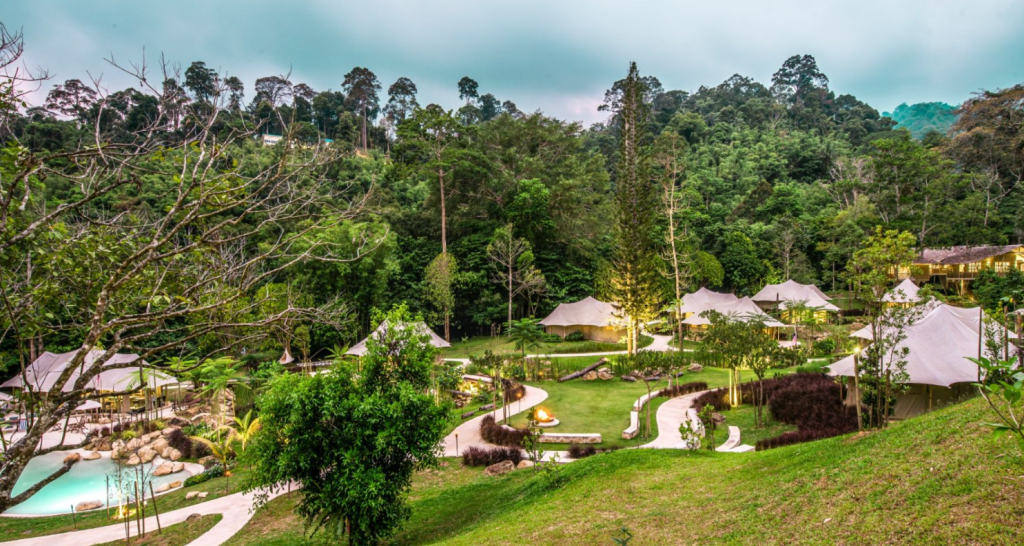
Slow travel is not about doing less for the sake of simplicity. It is about choosing experiences that allow time, space, and attention to return to the journey. One of the most natural ways to experience slow travel is by staying in a cottage surrounded by nature.
Understanding Slow Travel
At its core, slow travel focuses on quality rather than quantity. Instead of moving quickly from one destination to another, travelers stay longer in one place, allowing themselves to observe, adapt, and feel part of the environment.
This approach encourages:
- Fewer daily activities
- Longer stays in one location
- Deeper engagement with surroundings
- Less reliance on rigid schedules
Cottage stays naturally support this philosophy. They are often located away from busy centers, encouraging guests to stay present rather than constantly move on.
Nature as a Wellness Foundation
Wellness is often associated with spas, treatments, and structured programs. While these elements can be beneficial, true wellness often begins with environment. Natural settings have a measurable impact on physical and mental health.
Studies consistently show that time spent in green spaces can help reduce stress, regulate sleep, and improve overall mood. A cottage stay places guests directly within this environment. The sounds of wind, trees, and wildlife replace artificial noise, allowing the nervous system to slow down naturally.
Rather than offering stimulation, nature provides balance.
The Role of Space and Privacy
One of the defining elements of slow travel is the ability to exist without constant interruption. Cottages offer a level of privacy that supports this need. Without shared corridors, elevators, or crowded common areas, guests are free to shape their own rhythm.
This privacy allows for:
- Unstructured mornings
- Quiet afternoons
- Evenings without external pressure
For many travelers, this sense of autonomy is deeply restorative. It creates space not just physically, but mentally.
Living, Not Consuming
Slow travel shifts the focus from consumption to living. Meals are not rushed. Activities are not scheduled back-to-back. Time becomes flexible.
In a cottage setting, daily routines regain their meaning. Preparing a simple meal, stepping outside for fresh air, or reading by natural light become intentional experiences rather than filler moments.
This type of travel does not aim to impress. It aims to sustain.
Experience-Based Comfort
Comfort in slow travel is subtle. It is not defined by excess or spectacle, but by how naturally a space supports rest. A well-designed cottage provides warmth, functionality, and calm without overwhelming the senses.
From an EEAT perspective, this type of accommodation reflects experience-driven design. Hosts and property caretakers understand how people actually use a space over time. This practical knowledge shapes decisions around layout, materials, and atmosphere.
Guests feel this difference immediately. The space works with them, not against them.
Why Slow Travel Is Gaining Relevance
As modern life becomes increasingly fast-paced and digital, the appeal of slowing down becomes stronger. Travelers are seeking experiences that counterbalance daily pressure rather than add to it.
Cottage stays answer this need by offering:
- A reduced sensory environment
- A closer relationship with nature
- A pace that adapts to the guest
This relevance is not tied to trends. It is rooted in human needs that remain consistent across time.
Trust and Authenticity in Travel Choices
Slow travel relies heavily on trust. Guests choose environments that promise calm, safety, and consistency. Properties that communicate clearly and avoid exaggerated claims tend to resonate more strongly with this audience.
Authentic editorial content plays an important role here. When information is presented thoughtfully and without urgency, it aligns with the values of slow travel itself.
Readers are not looking to be convinced. They are looking to feel understood.
A Different Kind of Journey
Slow travel does not reject exploration. It redefines it. Instead of seeking novelty, travelers explore depth. Instead of accumulating experiences, they absorb them.
A cottage stay in nature supports this journey by removing unnecessary noise and allowing essential experiences to surface. The result is a form of travel that restores rather than exhausts.
In the long term, slow travel is not a trend but a response. It reflects a desire to reconnect with time, space, and self — one quiet stay at a time.